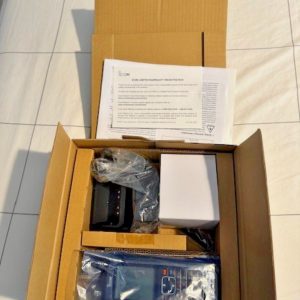
:::writingvariant="document" id="58314" ICOM IC-A25N Handheld NAV/COM Transceiver w/ Bluetooth – Open Box: Reliable NAV/COM Performance The ICOM IC-A25N Handheld NAV/COM Transceiver w/ Bluetooth – Open Box combines user-friendly controls, portable convenience, aviation communication capability, navigation functions, and Bluetooth connectivity. Choosing an open-box aviation radio may allow buyers to obtain advanced pilot equipment at a more accessible price than a comparable factory-sealed package. An ICOM IC-A25N Handheld NAV can support pilots who need a portable radio for cockpit backup, preflight monitoring, flight training, and general aviation communication. The ICOM IC-A25N Aviation Radio is relevant to pilots who need dependable access to aviation frequencies while operating in the cockpit or around an airport. An ICOM IC-A25N Handheld Radio offers mobility that panel-mounted equipment cannot provide, allowing users to communicate from the aircraft, ramp, hangar, or operations area. A Handheld NAV/COM Aviation Transceiver can reduce the need to carry separate portable communication and navigation receivers for certain aviation tasks. Whether the intended use involves a Handheld Aviation Radio, Aviation NAV/COM Radio, Pilot Handheld Radio, or Aircraft Communication Radio, dependable battery and antenna performance remain important. As an Aviation Communication Device, the radio can provide portable support for cockpit, training, emergency, and ground environments.
Key Benefits of the ICOM IC-A25N Transceiver
The IC-A25N combines portable aviation communication capability with navigation-oriented features intended to support a broad range of pilot activities. The IC-A25N may appeal to users who prioritize strong construction, straightforward operation, and access to aviation functions away from the instrument panel. Portable equipment should be treated as part of a complete communication plan rather than a guaranteed replacement for every installed avionics function. Pilots should test the radio during routine conditions and become familiar with its operation before expecting to use it during an urgent situation.Using the ICOM IC-A25N Handheld NAV
The navigation-oriented functions can complement normal cockpit planning when used within their intended purpose and understood limitations. Private pilots may carry the device during cross-country flights, aircraft repositioning, fly-ins, or travel in rented airplanes. Users should understand which functions are intended for reference, communication, navigation support, training, or emergency use. Pilots should avoid burying backup equipment under baggage where it cannot be reached quickly during flight.Using the ICOM IC-A25N Aviation Radio
The radio may be useful to pilots operating aircraft with limited avionics, temporary communication problems, or different cockpit configurations. The radio may also be useful at aviation events, remote airfields, flight schools, maintenance shops, aircraft demonstrations, and airport operations areas. Buyers should consider the radio’s physical condition, battery age, charging equipment, antenna, clips, headset accessories, manuals, packaging, and evidence of proper operation. A functional demonstration can confirm that the radio powers on, accepts charging, responds to controls, displays information, produces audio, and recognizes included equipment.ICOM IC-A25N Handheld Radio Convenience
A compact radio can remain in a flight bag alongside headsets, charts, flashlights, batteries, and other essential pilot equipment. A secure carrying arrangement can keep the radio accessible without allowing it to move around the cockpit during turbulence or abrupt maneuvering. Pilots can practice with the radio at home or in a classroom while following the applicable manual and operating guidance. Careful handling allows a portable aviation radio to remain a dependable part of the pilot’s equipment inventory.Handheld NAV/COM Aviation Transceiver Benefits
A Handheld NAV/COM Aviation Transceiver combines portable communication and navigation-related capability within one device, making it useful for pilots who value multifunction equipment. Commercial value depends on condition, package completeness, included equipment, seller support, and the cost of any missing accessories. A handheld transceiver becomes more dependable when it is included in routine preflight preparation rather than checked only during emergencies. Regular care supports reliable operation, protects resale value, and reduces the risk of missing components.Handheld Aviation Radio Applications
Handheld radios provide communication flexibility where panel equipment is unavailable, temporarily unpowered, difficult to access, or assigned to another aircraft. Regular practice and maintenance turn a handheld device into meaningful backup equipment rather than an unverified accessory. Accessories such as approved headset connections or suitable external antenna arrangements may influence convenience and performance. Responsible communication protects aviation operations and helps users gain the full value of a professional handheld radio.Aviation NAV/COM Radio Functions
A NAV/COM radio may support pilots who need backup communication while also valuing navigation-oriented information and operating flexibility. Pilots should avoid changing complex settings when attention is required for aircraft control, traffic awareness, navigation, or communication duties. Pilots should maintain current charts, navigation planning, weather awareness, and suitable avionics for the flight being conducted. The antenna should be attached properly and protected from interference with controls or cockpit movement.Choosing a Pilot Handheld Radio
A portable radio can remain with the pilot when changing aircraft, allowing consistent access to a familiar communication device. Good cockpit organization reduces workload and prevents backup equipment from becoming difficult to reach when needed. Training may also include using the radio with gloves, in reduced light, with a headset, or in a noisy cockpit environment. Pilots may consider carrying an appropriate backup power option when supported by the equipment and mission requirements.Aircraft Communication Radio Applications
An Aircraft Communication Radio supports communication between pilots, air traffic services, other aircraft, flight instructors, and authorized ground personnel. Pilots should listen before transmitting, speak clearly, keep messages relevant, and verify that the correct frequency is selected. Users should establish realistic expectations by testing the radio in normal conditions rather than assuming identical range to panel equipment. Maintaining physical and electronic condition supports dependable Aircraft Communication Radio performance.Using a Portable Aviation Transceiver
The ability to carry the radio personally helps operators maintain access to familiar controls and stored settings. A portable unit is easier to transport than installed avionics, but it also requires careful management of batteries, antennas, chargers, cables, and accessories. Wireless connectivity may help pilots integrate the radio into a preferred communication setup when paired equipment is supported and configured correctly. Wireless convenience should not replace disciplined equipment checks and familiarity with standard radio controls.Benefits of an Aviation Communication Device
A professional handheld radio may serve private pilots differently from flight schools, maintenance shops, airport staff, or commercial operators. Transparent condition information allows the purchaser to judge whether the price reflects the package accurately. Organized equipment management helps ensure that the radio remains available and serviceable for the next user. A radio configured for one headset or training environment may need adjustment before being issued for another application.Maintaining a Handheld Aircraft Radio
The device may also support pilots at airports where communication must begin before the aircraft electrical system is activated. Pilots may prepare frequencies and settings before entering the cockpit, reducing setup workload after engine start. The unit must remain accessible without forcing the pilot to look away from primary responsibilities for an extended period. Ramp and maintenance environments can expose portable electronics to contaminants that are less common in normal indoor storage.Using an Aviation Navigation Radio
Navigation functions can add value during training, planning, route familiarization, and backup preparation when used appropriately. Pilots should confirm which navigation functions are available, how they operate, and what limitations apply before relying on them. Navigation information should be cross-checked with current aviation references and suitable cockpit equipment for the planned operation. Users should remove outdated memories or clearly organize frequencies to reduce confusion during operation.ICOM Pilot Radio Benefits
An ICOM Pilot Radio can appeal to aviation users who value an established communications manufacturer, aviation-focused controls, portable construction, and practical accessory support. An open-box unit may have excellent value, but the buyer should verify the package rather than relying solely on the model name. Buyers should compare the offered radio with their headset, Bluetooth devices, aircraft environment, charging resources, and expected operating frequency. Periodic practice ensures that the user remains confident with essential functions as time passes.Using an Emergency Aviation Radio
Emergency value depends on the radio being charged, accessible, configured, and familiar to the pilot before a problem occurs. Cockpit structure, antenna location, terrain, altitude, weather, buildings, and battery condition can influence emergency performance. Bluetooth or wired audio arrangements should be tested before flight and should not be assumed to work automatically during an emergency. Any missing charger, antenna, adapter, cable, or battery concern should be corrected before the radio is relied upon.Backup Aircraft Radio Benefits
Backup equipment can be particularly valuable during cross-country operations, aircraft delivery, training, rental flying, or travel in older aircraft. A dependable backup radio is the result of consistent preparation rather than the assumption that unused equipment remains ready. The pilot should determine whether the radio will be operated through its built-in audio, Bluetooth accessory, or wired headset connection. With thoughtful preparation, a Backup Aircraft Radio can provide valuable confidence without creating unnecessary cockpit complexity.Buying an Open-Box ICOM IC-A25N
Connectors and charging contacts should appear clean, straight, secure, and free from corrosion more info or contamination. Missing accessories can increase final cost and may prevent the radio from being used as expected immediately after delivery. Functional testing should include power-on behavior, charging, control response, display operation, speaker audio, microphone function where appropriately tested, and accessory recognition. Remote transactions should use secure payment, documented terms, careful packaging, shipment tracking, and clear inspection or return conditions.Maintaining a Portable NAV/COM Transceiver
The radio should be inspected according to usage frequency, storage duration, operating environment, and the importance of its backup role. Occasional-use radios should still receive periodic checks because batteries and electronic components can deteriorate during inactivity.- Inspect the radio body, display, antenna, battery, charger, controls, connectors, clips, cables, and included accessories before important operations.
- Test the complete communication setup in an appropriate manner and understand how to use the radio without Bluetooth if needed.
- Store the radio, battery, charger, antenna, adapters, and documentation in a dry, organized, protected location after use.